Create, Dare, Be Passionate!


Our Hot Presses Product Sheet
Buying Guide — Pressing Equipment
Choosing your heat press for textile personalization
Manual, electromagnetic, electric, pneumatic, or double-platen: each type of heat press meets specific needs in terms of volume, ease of use, and budget. This guide will help you make the right choice.
DTF
Sublimation,
Screen Printing Transfer
, Flock Printing:
5 Types of Presses
- Free PDF Guide
At a glance
Which press for which profile?
Before going into detail about each technology, here are Créadhésif's recommendations according to your activity.
Beginner / small volume
Manual press
Limited budget, reasonable quantities, immediate usability.
Growing activity
Electromagnetic press
Automatic opening, parallel operation, guaranteed pressing time.
Comfort & simplicity
Electric press
Push-button start, touchscreen, no compressor.
Production supported
Double tray
Continuous preparation, significant time saving.
Professional / Industrial
Pneumatic press
High speeds, automatic closing, maximum precision.
Detailed guide
The 5 types of heat presses explained
Functioning, advantages, limitations and recommended profiles for each technology.
Comparative
The 5 types of presses side by side
The double platform is not listed separately: it can combine electromagnetic, electric or pneumatic depending on the model.
Free resource
Heat Press Comparison Guide — PDF
Find our complete guide in downloadable PDF format, keep it to compare models and prepare your investment.
Free PDF
Comparison of heat press types
Manual, electromagnetic, electric, double platen, pneumatic — operation, advantages, limitations and recommendations Créadhésif.
Frequently Asked Questions
FAQ — Heat presses for textile transfer
Which heat press should I choose to start with DTF? +
To get started with DTF printing on a limited budget, a manual or electromagnetic press with a platen of at least 38 x 38 cm is sufficient. As volumes increase, an electric offers greater convenience without requiring a compressor. Consult our DTF installation guide for temperature and pressure settings.
What is the difference between an electric and an electromagnetic press? +
The electromagnetic press closes manually but opens automatically via an electromagnet at the end of the cycle. The electric press starts pressing with a simple button and offers precise settings on a touchscreen. Both open automatically, but the electric press is more intuitive and requires no effort to start the cycle.
Do you need a compressor for a pneumatic press? +
Yes, pneumatic presses absolutely require an air compressor to operate. It's the compressor that powers the automatic opening and closing of the platen. If you're working indoors or in a room without adequate ventilation, choose a quiet compressor. Manual, electromagnetic, and electric presses do not require a compressor.
Is a double-platen press really worth the extra cost? +
Yes, as soon as you start regular series production. The dual platen allows you to prepare the next part while the first one is pressing, reducing downtime between cycles. For a production run of 50 parts or more per session, the time savings quickly justify the additional investment.
Can the same press be used for DTF, sublimation and flocking? +
Yes, a versatile heat press with precise temperature (between 130°C and 200°C), time, and pressure control is suitable for DTF, sublimation, screen printing, and flex printing. The key is to have a sufficiently large platen (minimum 38 x 38 cm) and to adhere to the specific parameters for each technique. Consult our technical specifications for detailed settings.
Need advice on choosing your press?
Our team will support you according to your business, techniques, and production volume.
Contact us: [email protected] — +33 1 34 33 01 55
What's on


In-person training (half-day)
0,00 € 0,00 €
DTF UV Transfer Sheet - A3 Size - 27 x 42 cm
9,50 € 7,92 € From 6,50 €

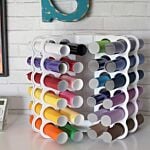
New! Storage tower for Flex or Vinyl - 36 slots
59,99 € 49,99 €