Create, Dare, Be Passionate!


DTF & UV Material
Complete Guide — DTF Printing
DTF Hardware: Everything You Need to Get Started
Direct-to-film (DTF) printing has become the most versatile textile personalization technique: cotton, polyester, silk, synthetic fibers, light or dark materials—all without pretreatment. This guide presents all the necessary equipment, the process steps, and the advantages of the technique.
DTF Printer,
PET Film,
DTF Inks
, Hot Melt Powder,
All Textiles
, No Pretreatment
Understanding the technique
What is DTF printing?
Direct-to-film (DTF) is a digital textile printing technique that involves printing a design onto a PET film, coating it with a heat-fusible powder, and then transferring it onto fabric using a heat press. The result is a flexible, wash-resistant transfer that can be applied to virtually any textile—cotton, polyester, silk, synthetic fibers, light or dark fabrics.
Unlike traditional sublimation, which is limited to white polyester, or DTG, which requires pretreatment, DTF requires no pretreatment and is suitable for all types of substrates. It is currently the most versatile textile printing solution on the market.
3,29 €
Cost price
A4 HT T-shirt
7
Production stages
Print → transfer
6
Ink colors
CMYK + white + white
0
Pretreatment required
Applicable directly
160°C
Temperature transfer
15 to 20 seconds
All
Types of textiles
Cotton, polyester, silk…
Equipment
Essential DTF equipment
One of the advantages of DTF is that it doesn't require excessive investment to get started. Here are the 8 components of a complete DTF system.
1
DTF printer
Called "modified DTF printers," they are equipped with six ink tanks : CMYK in the standard tanks, and DTF white in the LC and LM tanks. The feed rollers are removed to prevent liners on the white layer. Models based on the Epson L1800 are among the most common.
→ See DTF printer kits2
DTF Transfer PET Films
Unlike screen printing films, PET DTF films are approximately 0.75 mm and offer excellent transfer capabilities. They are available in cut sheets (A4, A3 – small runs) or rolls (production). Two types are available depending on the peeling temperature: hot peel or cold peel.
→ Order DTF ready-to-press films3
Pigmented DTF inks
DTF inks are available in Cyan, Magenta, Yellow, Black, and White. White ink is the key component: it is deposited first on the film to create an opaque background onto which the colors are printed. Créadhésif offers DTF inks renowned for their excellent results on both light and dark textiles, with optimal white density and controlled consumption.
→ See Créadhésif DTF inks4
Hot melt adhesive powder
DTF powder is white and acts as a binder between the pigments and the fabric fibers. It is applied evenly to the still-wet print before it fuses. Powders are classified in microns—choose the particle size appropriate for your desired final result and fabric type.
→ See DTF hot melt powders5
Automatic stirrer & polymerization oven
Theautomatic powder agitator ensures uniform application and removes excess powder. The curing oven melts the powder at 160–170°C for 2 to 5 minutes. Alternatively, a heat press can be used in non-contact mode (4 to 7 mm gap between the film and the platen).
6
DTF-specialized RIP software
The RIP software manages color profiling, ink levels, droplet size , and the printing order of the layers (colors then white). It must be able to handle CMYK colors and white ink simultaneously—this is what determines the final quality of the transfer.
7
DTF Heat Press
The heat press is used in two stages: first, for melting the powder (in non-contact mode), and then for the final transfer at 160–170°C for 15 to 20 seconds. A platen of at least 38×38 cm is recommended for an A3-sized T-shirt. The Stahls DTG/DTF heat press is particularly well-suited for this purpose.
→ Consult our heat press guideProcess
The 7 steps of DTF printing
From digital file to finished t-shirt, here is the complete process of a DTF production.
Step 1
Printing on PET film
Mirror image printing on PET film — colors first, then white on top. The RIP software manages the order and densities.
Step 2
Powdering
Apply the hot melt powder evenly to the still-wet print. Carefully remove any excess – by hand or with an automatic stirrer.
Step 3
Powder melting
Place in a curing oven or under a heat press in non-contact mode (space 4–7 mm). Temperature: 160 to 170°C for 2 to 5 minutes.
Step 4
Pre-pressing of the fabric
Press the fabric alone for 2 to 5 seconds to flatten it and remove residual moisture. This step is essential for optimal transfer.
Step 5 — Heart of the process
Transfer (hardening)
The film is placed on the fabric in the heat press. Transfer at 160–170°C for 15 to 20 seconds. This is the curing stage — the powder permanently bonds the image to the fibers.
Step 6
Cold peeling
Allow the fabric to cool to room temperature before peeling off the film. Premature peeling can affect the finish. See also the hot peeling instructions for your specific film type.
Step 7 — Recommended
Post-pressing
Final pressing of the fabric for 10 to 15 seconds to improve resistance to washing and rubbing. This step is optional but highly recommended for a professional finish.
Créadhésif Tip: To prepare your files correctly before printing, consult our guide to preparing DTF files — resolution, color mode, white background, file format.
Comparative
DTF vs other textile printing techniques
Related resources
Everything you need to succeed in DTF
From file to production, here are the Créadhésif resources to support each step.
Service
DTF transfers ready to be pressed
From €0.16 excluding VAT per unit — sizes from A4 to 56×200 cm — 24-hour shipping available
Consumable
DTF PET films
Cut sheets & rolls — hot or cold peeling
Free PDF guide
Preparing your DTF files
Resolution, color mode, white background, accepted formats
Free PDF fact sheet
DTF cost price
PET film A4 at €0.42 excl. VAT — complete t-shirt at €3.29 excl. VAT
pressing conditions
DTF parameters by material
Cotton, polyester, blends, lycra, velvet, wood — temperature and pressure
Hardware guide
Choosing your DTF heat press
Manual, electric, pneumatic — a comparison of 5 types of presses
Free training
DTF Créadhésif Webinars
Learn the DTF technique online with our experts
Frequently Asked Questions
FAQ — DTF Materials & Printing
Can you do DTF printing without a DTF printer — with a sublimation printer? +
No. DTF printing requires specific pigment inks (including an opaque white ink) that are incompatible with dye-sublimation printers. The printer must be modified to accommodate six DTF tanks. If you want to personalize cotton without investing in a DTF printer, our ready-to-press DTF transfer service is the most affordable solution.
What is the difference between hot peel and cold peel DTF film? +
A hot peel is removed immediately after pressing, while still hot. A cold peel must cool to room temperature before being peeled. Cold peel is more forgiving and often preferred by beginners. Both produce excellent results—the choice depends on your production workflow and the type of substrate.
Is DTF washable? +
Yes. With proper pressing and a 10-15 second post-press, DTF transfers offer excellent wash resistance. Wash at 30–40°C, inside out, without fabric softener. The quality of the hot melt powder and adherence to the pressing parameters are the two key factors in durability.
Can DTF transfers be ordered without buying a printer? +
Absolutely. Créadhésif offers a DTF printing service : you send us your file, we print and ship your heat transfers ready to press, starting at €0.16 excluding VAT per unit (5x5 cm label), in A4, A3, A2, 56x100 cm and 56x200 cm formats. 24-hour express shipping is available. All you need is a heat press.
What is the difference between DTF and sublimation? +
Traditional sublimation only works on white or light-colored polyester —the inks sublimate into the fibers without a visible intermediate layer. Direct-to-Fly (DTF) printing works on all textiles (cotton, polyester, silk, dark colors) using a transfer film with a heat-fusible powder. Sublimation provides an invisible feel; DTF offers a slightly noticeable but very light touch. In terms of color vibrancy, sublimation is slightly superior. See our sublimation paper guide for cotton alternatives.
Ready to get started with DTF?
Order your first ready-to-press transfers or use our online sheet creator.
[email protected] — 01 34 33 01 55 — Ennery (95)
-
![]()
-
![]()
-
![]()
-
![]()
-
![]()
-
![]()
-
![]()
-
![]()
-
![]()
-
![]()
-
![]()
-
![]()
-
![]()
-
![]()
-
![]()
-
![]()
-
![]()
-
![]()
-
![]()
-
![]()
-
![]() RICOH Ri 4000 DTG/DTF Printer – Direct to Garment & Film with Automatic Preprocessing26 394,00 € 21 995,00 €
-
![]() INKTEC FR170 UV Ink (compatible with Mimaki LUS170) with Chip Included - 1 LiterFrom 97,00 € 80,83 €
-
![]()
-
![]()
-
![]()
-
![]()
-
![]()
-
![]()
-
![]()
-
![]()

-
![]()
-
![]() Epson 4720 replacement printhead for DTF printer and encoder board1 249,00 € 1 040,83 €Out of stock




Filter
Refine the options
What's on
In-person training (half-day)
0,00 € 0,00 €
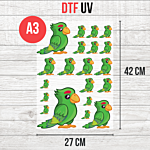
DTF UV Transfer Sheet - A3 Size - 27 x 42 cm
9,50 € 7,92 € From 6,50 €
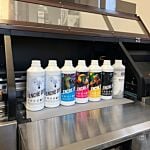

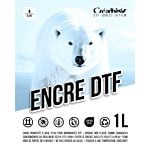
DTF Transfer Ink - 2nd Generation - White - 1L
49,00 € 40,83 €